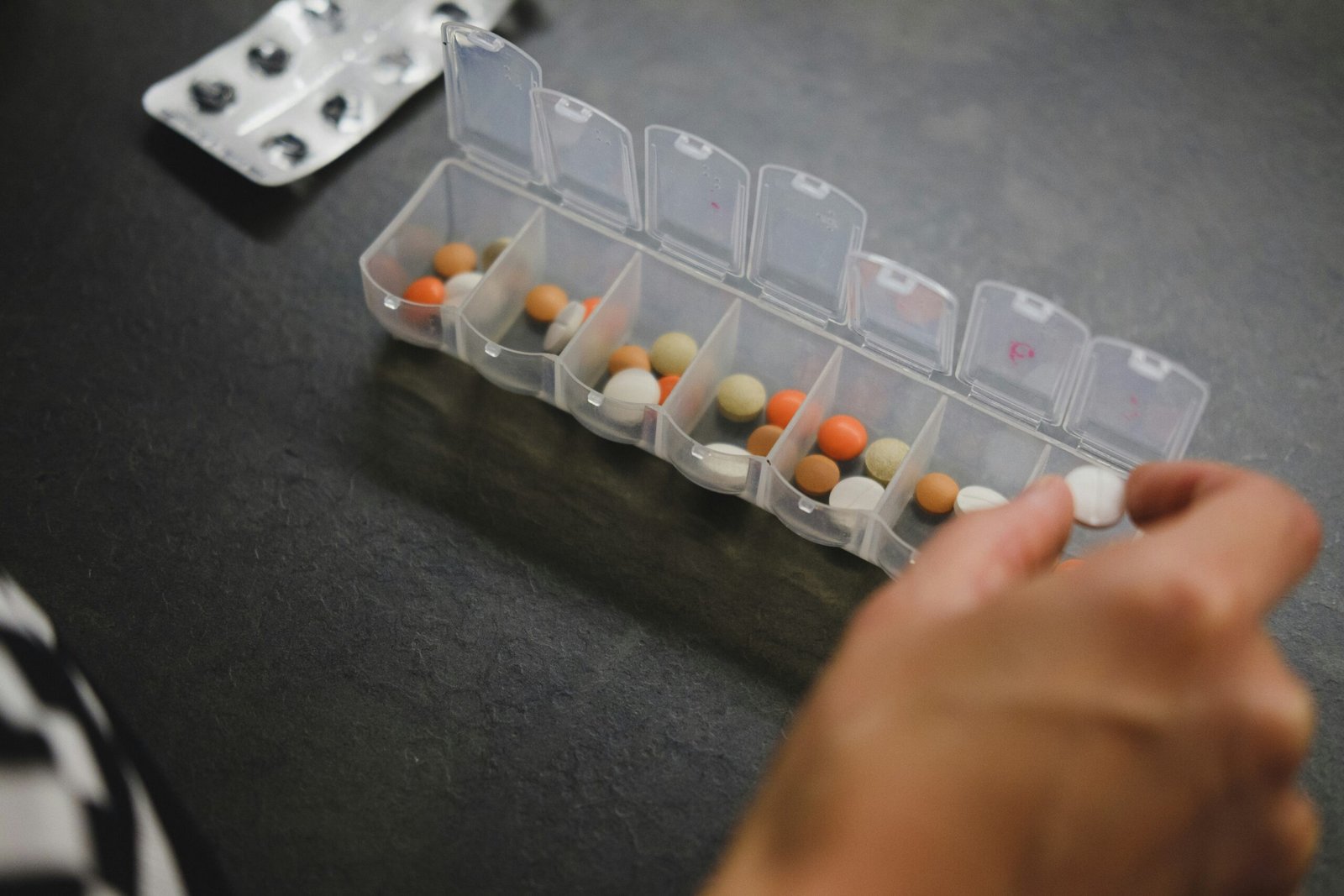
Introduction to the Nationwide Recall
In recent weeks, a significant nationwide recall has come to the forefront, affecting a wide array of commonly prescribed generic drugs. This recall has raised considerable alarm among consumers, healthcare professionals, and regulatory agencies alike due to the potential risks associated with the affected medications. The scope of this recall encompasses various types of medications that are widely utilized in treating numerous health conditions, making the implications of this announcement particularly critical for public health.
The importance of the recall cannot be overstated, as many of these generic drugs play essential roles in managing chronic diseases such as hypertension, diabetes, and infections. The underlying reasons for this extensive recall generally relate to manufacturing irregularities, contamination issues, or mislabeling of products, all of which can compromise patient safety. Consumers who may have been prescribed these medications are urged to remain vigilant and pay close attention to updates from health authorities, as the potential for adverse health effects is a serious concern.
The scale of the recall is particularly notable, given that it encompasses not only a diverse range of generic medications but also impacts millions of patients who rely on these treatments for their ongoing health needs. While recalls in the pharmaceutical industry are not uncommon, the breadth and implications of this particular situation highlight the ongoing challenges within drug manufacturing processes and regulatory oversight.
As patients navigate these developments, it is imperative for them to consult healthcare professionals with any concerns regarding their medications. Pharmacists and doctors are equipped to provide vital guidance and can suggest alternative treatment options if necessary. Ultimately, this situation underscores the importance of vigilance in drug safety and the need for continuous monitoring of pharmaceutical products to ensure public health is not compromised.
List of Affected Medications
A recent nationwide recall has brought significant attention to several commonly prescribed generic medications. The recall, initiated by various pharmaceutical manufacturers, was prompted by concerns regarding contamination and safety issues that could potentially affect consumers. Herein is a comprehensive list of the affected medications, along with their respective manufacturers and the specific issues that led to their recall.
One of the most notable recalls involves Losartan, a generic blood pressure medication produced by multiple manufacturers, including Teva Pharmaceuticals and Camber Pharmaceuticals. This medication has been recalled due to the presence of N-nitroso-N-methyl-4-aminobutyric acid (NMBA), a potential carcinogen, exceeding acceptable limits.
Another medication at the forefront of this recall is Valsartan, also a hypertension treatment. Initially recalled in 2018, it has since seen additional batches withdrawn from the market due to contamination risks linked to manufacturing processes at facilities operated by Sandoz.
Additionally, the antibiotic Amoxicillin, produced by App Pharmaceuticals, has faced recalls due to packaging defects that could compromise the drug’s efficacy. The FDA continues to monitor the situation closely, advising health care providers and consumers to stay informed about current recalls.
Furthermore, the medication Metformin, commonly used to control blood sugar levels in patients with type 2 diabetes, has been recalled in certain formulations produced by Glenmark Pharmaceuticals. The recall is tied to the discovery of exceeded limits of NDMA, another substance associated with cancer risks.
These examples underscore the importance of alertness regarding medication safety. Consumers are encouraged to review their prescription medications regularly and consult healthcare providers for the latest information about their drugs, particularly if they receive one from the impacted list.
Reasons Behind the Recall
The recent nationwide recall impacting numerous common generic drugs has raised significant concern among consumers and healthcare professionals alike. A variety of factors can prompt such recalls, primarily revolving around manufacturing issues, contamination, and safety concerns.
One of the foremost reasons for these recalls is manufacturing defects. Pharmaceutical companies are required to adhere strictly to good manufacturing practices (GMP) to ensure that medications are produced consistently and safely. Deviations from these protocols can result in inconsistencies in drug formulation, leading to potential health risks. For instance, if the active ingredients in a generic medication are not present in the specified amounts or are not of adequate quality, the effectiveness of the drug may be compromised. This can pose serious risks to patients, particularly those who rely on these medications to manage chronic conditions.
Contamination during the production process can also lead to recalls. This may occur if inappropriate substances inadvertently enter the drug formulation. Contaminants can stem from various sources, such as improper sterilization techniques, environmental factors, or even human error during the manufacturing or packaging phases. Such contaminants can result in adverse health effects, ranging from mild allergic reactions to severe health complications, thereby mandating a recall to protect public health.
Moreover, safety concerns often underpin drug recalls. Regulatory agencies, such as the Food and Drug Administration (FDA), continuously monitor the safety profiles of medications. If new evidence emerges suggesting that a particular drug poses significant health risks to users, even after it has been approved for market distribution, the agency may initiate a recall. Maintaining robust quality control measures is vital in reducing the likelihood of these scenarios, safeguarding patient health and ensuring trust in pharmaceutical products.
Potential Health Risks
The recent nationwide recall of numerous common generic drugs has raised significant concerns among consumers regarding potential health risks associated with these medications. Many of the recalled products have been linked to contamination issues or labeling errors that can lead to serious health complications. For individuals relying on these medications for chronic conditions, the implications can be particularly severe.
One prominent risk is the possibility of contamination with harmful substances, which might result in adverse reactions or exacerbate existing health issues. For instance, specific recalled drugs have been found to contain elevated levels of impurities, potentially leading to liver toxicity, kidney damage, or cardiovascular complications. Patients taking these medications might experience symptoms ranging from mild discomfort to severe health crises, underscoring the critical need for vigilance.
Another significant concern involves dosage inaccuracies. Instances of overstated or understated active ingredients can lead to inadequate treatment of underlying conditions or an overdose. In cases where a patient is managing diseases such as hypertension, diabetes, or seizure disorders, incorrect dosing may compromise their health and result in hospitalization or other severe outcomes.
Moreover, sudden discontinuation of recalled medications without adequate medical guidance can trigger withdrawal symptoms or a regression of the patient’s health status. Therefore, individuals who are affected by these recalls are urged to seek immediate medical advice. Healthcare providers can offer alternatives that are safe and effective, thus mitigating potential health risks associated with the recalled drugs.
In summary, the health risks tied to the consumption of recalled generic medications are varied and potentially serious. It is essential for consumers to stay informed, recognize the drugs they are using, and consult with healthcare professionals to ensure their continued safety and well-being.
How to Check If Your Medication is Affected
The recent nationwide recall affecting numerous common generic drugs has left many consumers concerned about the safety of their medications. To determine if your medication is part of this recall, it is essential to take several steps to verify and assess the products you may have at home. This process involves closely examining drug labels, batch numbers, and utilizing authoritative resources for the most up-to-date information.
First, start by reviewing your medication labels. Look for the drug name, dosage information, and manufacturer details. Affected generic medications will typically include the name of the drug followed by the dosage form. Make sure to pay attention to any specific information about the packaging that could indicate potential risks associated with these drugs. Additionally, the recall information often specifies the lot numbers that are impacted, so it is crucial to keep an eye out for these details.
Once you have gathered the relevant information from the labels, locate the batch numbers, which can usually be found near the expiry date or on the side of the bottle. This number is vital in determining whether your particular medication falls under the recall notice. Cross-reference these numbers with the recall announcements provided by authorities such as the Food and Drug Administration (FDA) or the recalling manufacturer.
For ongoing updates and additional verification, the FDA’s website serves as an essential resource. They provide real-time updates about recalls, including searchable databases where you can input your medication’s information to check its status. Furthermore, reaching out to your healthcare provider or pharmacist is advisable, as they can provide expert guidance regarding the safety of your medications and alternatives if your drugs are indeed part of the recall.
Returning or Disposing of the Recalled Medications
In light of the recent nationwide recall of various common generic drugs, it is crucial for consumers to understand the correct procedures for handling these medications. First and foremost, individuals should not continue to use any recalled drugs, as doing so may pose significant health risks. For those in possession of affected products, there are established routes to follow for both returning and disposing of these medications safely and responsibly.
One effective option for consumers is to return the recalled medications to the pharmacy from which they were purchased. Most pharmacies have protocols in place to handle recalls and will accept returns without question. It is advisable to contact the pharmacy in advance to verify their specific return policies and hours of operation. This approach not only ensures that the drugs are managed safely but may also allow for a refund or exchange for an alternative medication. Additionally, a return provides a record of the transaction should there be further questions from health authorities or manufacturers.
For consumers unable to return the medications to a pharmacy, safe disposal methods should be employed. The U.S. Food and Drug Administration (FDA) recommends several approaches for disposing of medications properly. One commonly advised method is to mix the medication with an unpalatable substance, such as dirt, cat litter, or coffee grounds, and then place the mixture in a sealed plastic bag or container before discarding it in the household trash. Certain medications may also be safe for disposal down the toilet, particularly those listed on the FDA’s take-back list. Additionally, local drug take-back programs or events provide an excellent opportunity for safe disposal, allowing community members to return medicines securely.
Ultimately, consumers are urged to remain vigilant and proactive in handling recalled medications, ensuring their well-being and adherence to safety guidelines.
Alternatives to Recalled Medications
The recent nationwide recall of several common generic medications has raised concerns among patients who rely on these drugs for managing their health. In light of this, it is essential to explore alternative medications that can be considered to ensure continuity of care. Patients are urged to consult with their healthcare professionals before making any changes to their medication regimens. This proactive step is crucial to identify suitable alternatives that align with their specific health needs.
In many cases, there are alternative medications available that can effectively substitute the recalled drugs while maintaining therapeutic efficacy. For instance, if a patient is taking a generic version of a common antihypertensive that has been recalled, they might be prescribed a different antihypertensive with a similar active ingredient, or perhaps an entirely different class of medication that achieves the same blood pressure control without compromising safety.
Additionally, some patients may find that over-the-counter options can serve as a viable temporary replacement. Pain management medications, for example, often have non-prescription alternatives that could alleviate symptoms while awaiting guidance from a healthcare provider. However, it is imperative to recognize that not all patients will respond similarly to these alternatives, and thus, professional guidance is essential to avoid any adverse effects or interactions with existing medications.
Furthermore, pharmacists can provide invaluable assistance in navigating alternative options. Their expertise can help patients discover safe substitutes and ensure that they understand the appropriate dosages and potential side effects. By fostering open communication with healthcare providers and pharmacists, patients can make informed decisions regarding their treatment, ultimately aiding them in managing their health during this period of uncertainty regarding their current medications.
Role of Regulatory Agencies
Regulatory agencies play a crucial role in the oversight of drug safety and efficacy within the pharmaceutical industry. In the United States, the Food and Drug Administration (FDA) is the primary agency tasked with regulating and monitoring the safety of medications, including generic drugs. The FDA’s responsibilities encompass evaluating new drugs before they enter the market and conducting continuous post-market surveillance to ensure ongoing safety and performance.
One of the key functions of the FDA is conducting rigorous assessments and clinical trials before approving any medication for public use. This process ensures that drugs meet the required safety standards and are effective for their intended purposes. However, as the market evolves and new data becomes available, concerns regarding drug safety can arise. In such instances, the FDA is empowered to initiate recalls to protect consumers from potentially harmful products. They closely collaborate with other stakeholders, including manufacturers and healthcare providers, to ensure timely communication and appropriate actions are taken in response to any safety issues.
The influence of regulatory agencies extends beyond just oversight. Their presence helps maintain public trust in the pharmaceutical system. By enforcing strict standards and regulations, these agencies foster accountability among drug manufacturers. Additionally, the FDA provides guidelines and support for companies to follow to ensure compliance with safety regulations. When a recall occurs, it is generally due to findings from inspections, consumer reports, or adverse event reports that highlight potential risks associated with specific drugs.
In summary, regulatory agencies such as the FDA perform a vital role in monitoring drug safety, influencing recall processes, and protecting consumer health. Their work is essential in promoting safe medication practices and ensuring that harmful drugs are swiftly removed from the market.
Staying Informed About Future Recalls
In an era where medication recalls are becoming increasingly common, staying informed is essential for consumer safety. One effective approach is to subscribe to health alerts from reputable organizations. Government agencies, such as the U.S. Food and Drug Administration (FDA), offer email notifications that inform subscribers about recent recalls, safety information, and other significant announcements related to medications. By subscribing to these alerts, consumers can receive timely updates about medications they may be using or considering. This proactive method ensures that individuals are equipped with the most current information regarding their health and safety.
In addition to governmental health alerts, following reputable health organizations on social media platforms can also provide valuable insights. Organizations such as the Centers for Disease Control and Prevention (CDC) and the World Health Organization (WHO) frequently post relevant health information, including alerts about medication safety and recalls. Engaging with these platforms not only keeps you informed but also allows you to participate in community discussions regarding health and wellness practices.
Moreover, becoming familiar with best practices in medication management can significantly reduce risks associated with drug recalls. This includes maintaining an updated list of medications being used and regularly reviewing these with your healthcare provider. Doing so enables you to be more aware of any potential recalls affecting your prescriptions. Additionally, it is advisable to read labels thoroughly and stay vigilant about the medications you consume. By being an informed and proactive consumer, you can better safeguard your health against the risks that accompany medication recalls.
In summary, staying informed about medication recalls requires a multifaceted approach. Subscribing to health alerts, following reputable organizations, and engaging in better medication management practices can enhance consumer awareness and safety in an increasingly complex pharmaceutical landscape.